Why the groundwork makes the difference in offshore wind trenching
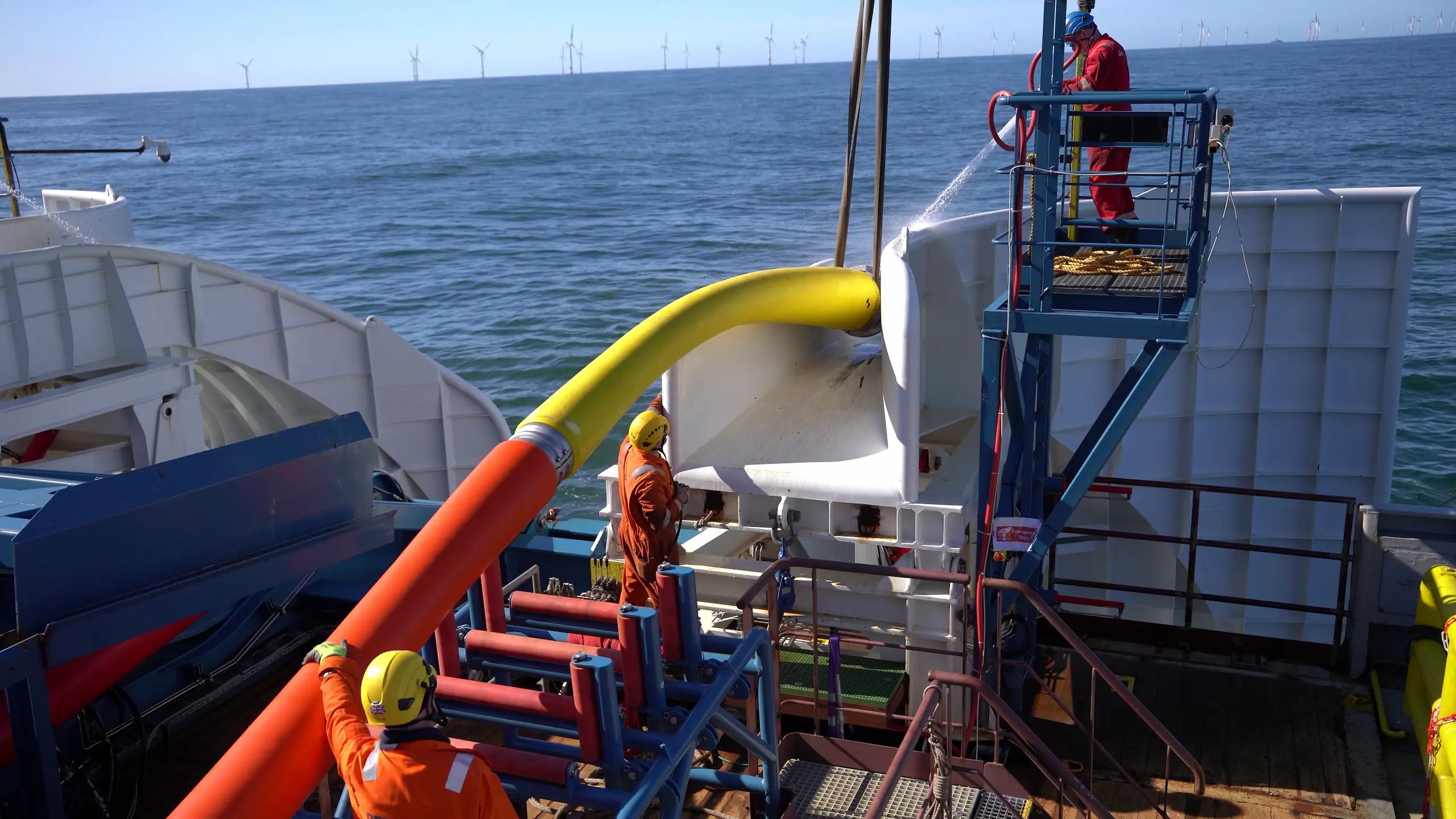
Offshore wind cable trenching is about far more than running a trencher along a route. Successful delivery depends on the ground conditions, technical judgement and extensive onshore planning that shape every stage of a seabed intervention campaign.
With 20 years at DeepOcean, Roar Lilleaas has worked across some of the company’s core offshore disciplines, from IMR, Construction, Survey and Decommissioning to the rapidly evolving renewables sector. Today, he leads DeepOcean’s trenching and seabed intervention offering, supporting projects across both oil and gas and offshore wind.
Roar shares his perspective on what a trenching campaign really involves, where developers need support and why DeepOcean is continuing to invest in the sector.
Why the assessment comes before the mobilisation
Before any trenching campaign begins, our specialist geotechnical team carries out a Burial Assessment Study. This draws on the site data gathered during earlier survey work, alongside the cable parameters the customer provides. We work out what burial depth is realistic, what speeds we can go and what tools and overall approach the ground calls for.
Soil conditions vary quite a bit from site to site, sometimes within the same route, getting that assessment right is what keeps a project on schedule once we’re offshore, rather than only working it out as the project progresses.
Matching the tool to the job
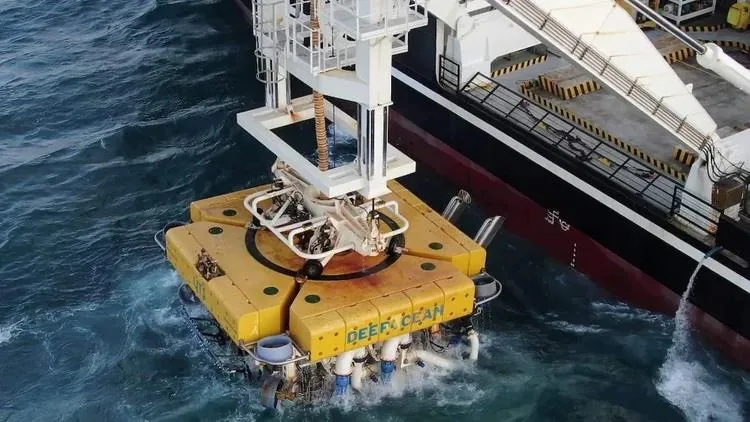
For example, our UT1 is the world’s most powerful free-flying jet trencher and is permanently mobilised on the Volantis. Its power enables it to tackle demanding soil conditions that can challenge less capable equipment, while years of offshore operations have demonstrated an impressive track record of high uptime. That performance is not just about the technology; it is also a testament to the experience and commitment of our dedicated offshore crew.
Then there’s the T1500+ which is more compact and cost-effective, and well suited to sandier soils or jobs where a smaller footprint makes more sense. On a cable repair campaign we did a little over a year ago, we mobilised the T1500+ directly onto the repair vessel itself rather than running two vessels in parallel - a good example of how trenching supports the O&M phase of projects, not just the original installation.
So when it comes to the decision of which tool to recommend for individual projects, it’s ultimately decided on three things: the type of soil, the burial depth required and the overall scope of the wider campaign.
That’s why the assessment work upfront matters so much. If you don’t consider these factors, the customer could end up paying for more power than the job needs, or conversely, deploying a tool that can’t do what the project demands.
How soil conditions shape cost and schedule
The biggest variable in any trenching campaign is the ground itself. Even with extensive survey and planning, seabed conditions can vary considerably along a route. Some soils jet readily, while others may require several passes to achieve the target burial depth.
This difference can affect both schedule and cost if it isn’t planned for early. It’s why we lean as heavily on experienced crews and a proven equipment track record as we do on raw trenching power.
We are in the final stages of completing a soils mapping study across Europe. This will enable us to understand in detail where conditions favour jetting and where they don’t. The team has drawn on decades of hands-on experience in the water to begin developing this, and it’s already proving valuable in how we scope campaigns for customers.
Investing in the next generation of trenching
We’re also currently developing a hybrid jetting-and-cutting trencher, designed to extend the range of soil conditions we can serve, including sites where jetting alone isn’t enough. Like the rest of our fleet, it’s being built on more than 30 years of trenching experience.
It’ll support second-pass and remedial work, and is due to be mobilised on a dedicated trenching support vessel from early 2029, serving our own trenching and installation projects as well as being available to external customers. Growing our position in the trenching market means making sure we have the capability and capacity in place for developers when they need it.
Why trenching and installation work best together
For a developer, trenching is rarely a decision made on its own. When the same contractor installs a cable and also carries out the burial, there’s one less subcontractor to manage, and one clear line of responsibility for its maintenance across the life of the asset.
That early groundwork can also create value well beyond the trenching campaign itself. Working with one partner from initial survey and installation through to operations, maintenance and decommissioning means project knowledge is carried forward, reducing interfaces and helping maintain continuity throughout the life of the asset.

Ready to talk seabed intervention?
From live tenders to early project planning, DeepOcean’s team is ready to discuss how our seabed intervention capabilities can support your offshore wind projects.
More stories
Why survey and inspection has a role at every stage of an offshore wind project