Why survey and inspection has a role at every stage of an offshore wind project
Survey is often thought of as something that happens at the very start of an offshore wind project - a box that gets ticked during the briefing process, before the “real” work begins. In reality, ongoing survey and inspection runs through every stage of a project’s life, from the first site characterisation study through to the final surveys after decommissioning.
With a background spanning hydrographic surveying, AUV campaigns and project management, Robert Moores, Commercial Surveyor, understands what’s needed to plan and deliver a survey and inspection campaign that keeps adding value long after the data itself has been collected.
He now works with clients to shape the technical and commercial detail of survey and inspection engineering scopes, reviewing tenders and helping determine how each project should be delivered and priced. Robert shares his perspective on why survey and inspection should be treated as a constant thread through a project’s life.
Survey comes first in a project’s life
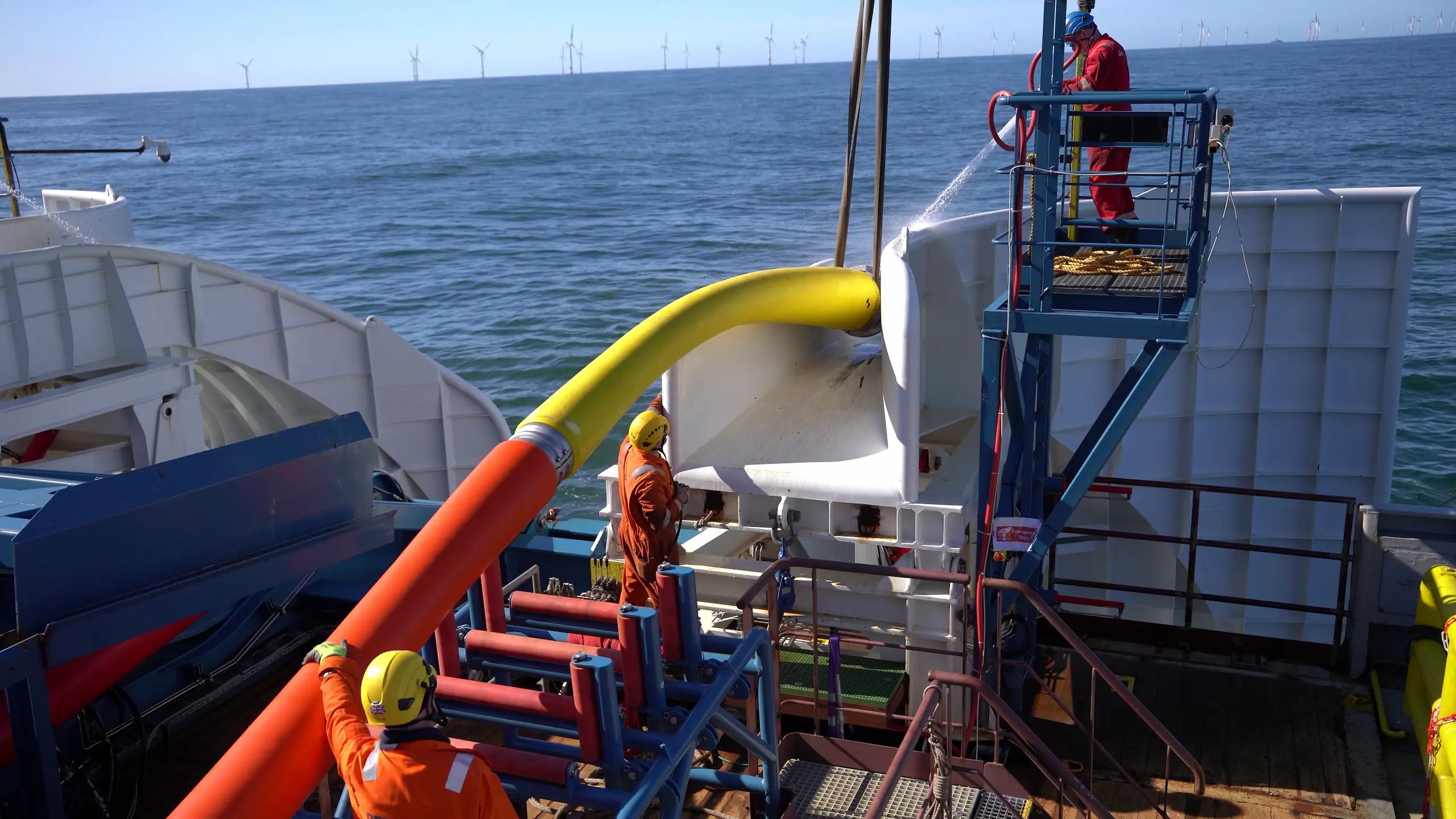
Early site characterisation surveys feed directly into decisions on site selection and cable routing, so getting them right matters well beyond the survey phase itself. From there, projects typically move into a more detailed design survey, followed by route clearance, boulder removal and pre-lay grapnel runs, and a UXO campaign with its own survey and clearance requirements.
Trenching and cable installation each need their own pre- and post-lay surveys, plus positioning support while the work is actually taking place.
There can be a natural gap after the first characterisation survey, while the client reviews the data and makes decisions on the next steps. But from that point on, surveys are present at almost every stage. It’s rare to find a project on which there isn’t at least some survey element supporting positioning or verification throughout its lifecycle.
Common thread throughout project lifecycles
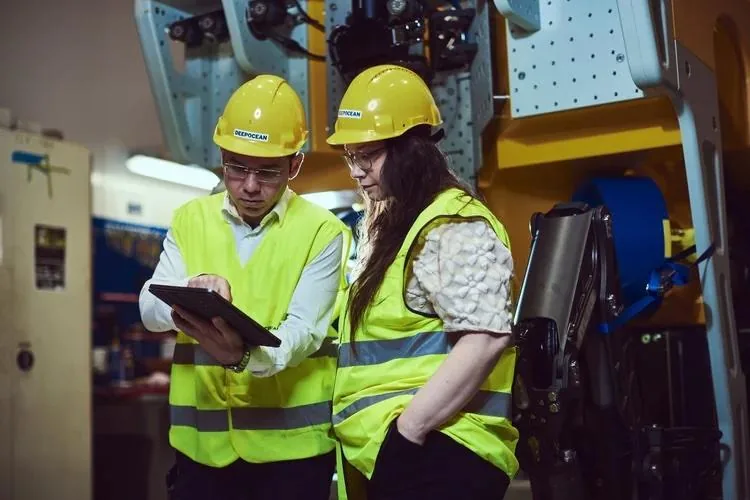
One of the questions I often get asked is whether the same team follows a project all the way through this lifecycle. The honest answer is that it depends on the stage. Different phases call for different skillsets. Rather than keeping one team on board throughout, we take an agile crewing approach, deploying the right specialists for each phase, which keeps costs down and ensures the right expertise is always on hand.
What we keep consistent at DeepOcean is the project management onshore, so there is a clear view on how a project is being run, as offshore teams deliver their specialisms as and when the lifecycle demands them.
We see the value of this continuity in longer-term framework arrangements elsewhere in the energy sector, where the same project managers and client contacts work together year after year. Then the relationship becomes almost as valuable as the technical project delivery itself. Offshore wind clients are increasingly structuring their own contracts the same way, with multi-year agreements rather than tendering for individual projects.
Early engagement changes the outcome
Getting involved early gives the opportunity to build a relationship with a client before the wider scope of a project, like cable installation, trenching and O&M, is even defined. That early engagement means we can offer to carry the survey requirements through the rest of the project rather than being brought back in for each stage.
Planning is what makes this approach possible, and I don’t think that can be overstated. A huge amount of work goes on before anyone goes offshore. Task plans, procedures, HSE documentation and detailed client engagement are all prepared to make sure the team can hit the ground running as soon as they step foot on an asset.
We also share lessons learned from every project, so that this feedback can be implemented into the planning process for the next one. This builds a bank of prior experience and knowledge for the team to draw on.
What sets DeepOcean’s survey capability and technology apart
There aren’t many companies that offer surveys alongside installation, engineering, O&M and cable repair under one roof. Being able to deliver everything in-house, end-to-end, is a differentiator for DeepOcean in the market, and it’s one of the clearest ways we can offer clients a complete service.
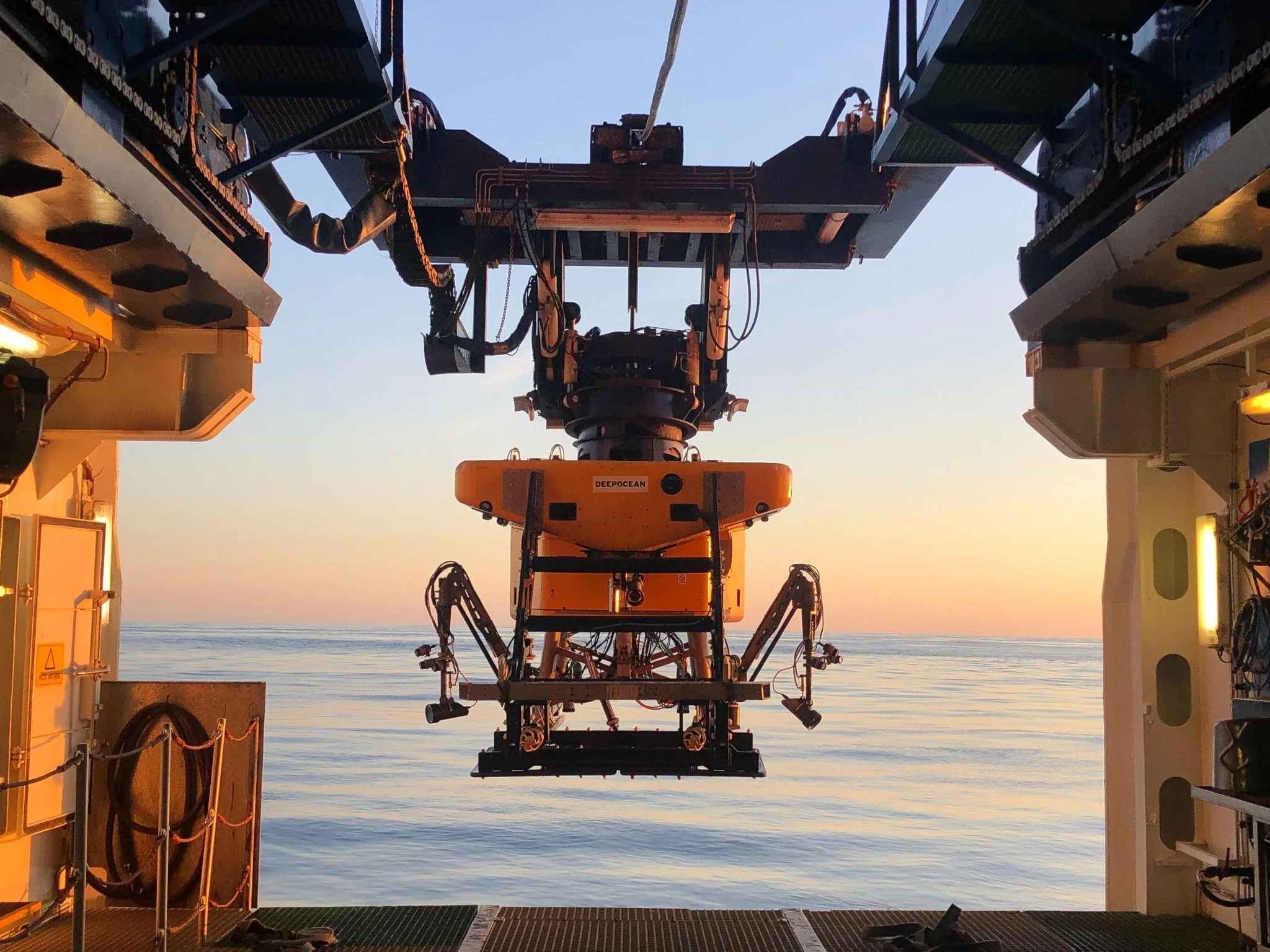
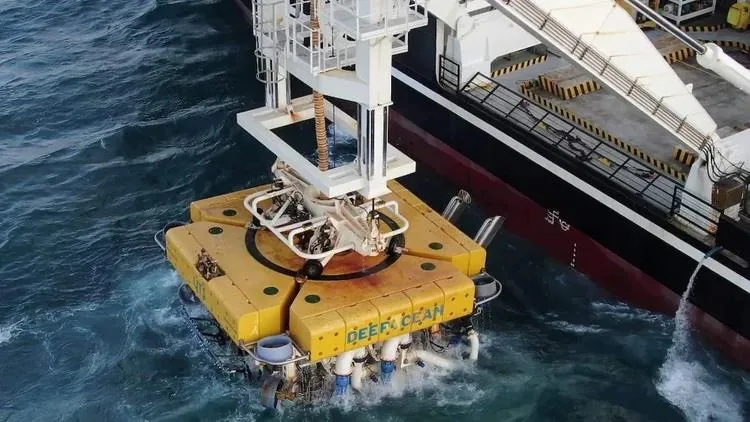
Technology is a significant part of that. Our Superior Survey ROV is a real point of difference: it lets us complete survey work more quickly, and it has a far higher weather tolerance than a towed sensor solution, meaning we can keep working through conditions that would otherwise stop the job.
It’s a technology we’ve already used to collect many kilometres of survey data, mostly built up in oil and gas, and now we’re seeing a much wider use of it in offshore wind. What it gives our clients is a direct cost saving from that weather tolerance, plus more detailed data to support better-informed decisions later in the project lifecycle.
Our innovations team is working across a range of areas, from equipment development in partnership with manufacturers, through to remote operations. Our uncrewed surface vessel, USV Challenger, is already being trialled for survey and inspection work.
We have successfully delivered remote operations combining offshore data acquisition with onshore processing, and we’re continuously refining this integration to enhance turnaround and efficiency.
We’re also leveraging AI to improve the efficiency and quality of offshore survey reporting. Our AutoDetect project combines automated data processing, intelligent interpretation support and streamlined reporting workflows to help deliver faster and more reliable insights from survey data.
Ultimately, survey isn’t a phase you move through and leave behind. It’s a discipline that supports every stage of a wind farm’s life, from the first look at the seabed through to ongoing maintenance and inspections years later. The earlier DeepOcean can engage with a client, the more it can support them, and the more value it can add across the full scope of a project.

Ready to discuss your survey and inspection needs?
Whether you need pre-construction route surveys, installation support or an operational inspection programme, DeepOcean can support your project with engineering-led delivery across the full asset lifecycle.
More stories
Why the groundwork makes the difference in offshore wind trenching